Solutions

One supervisor, briefed for your operation.

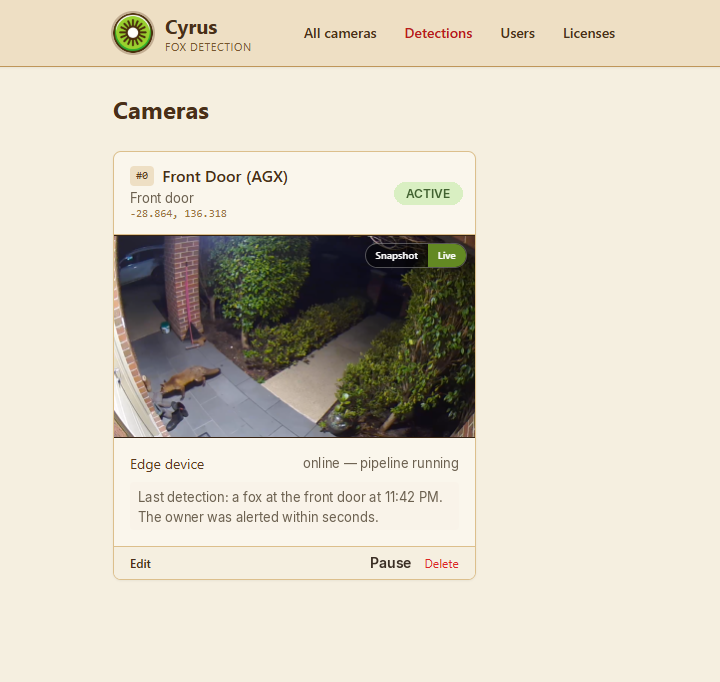
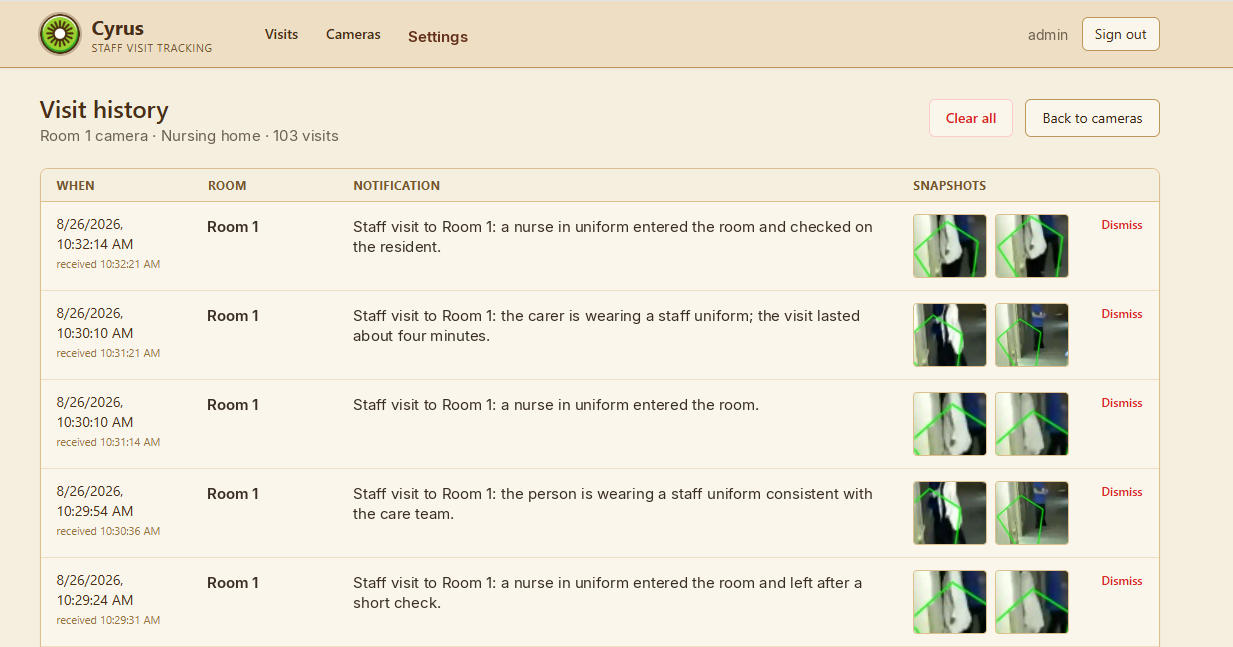
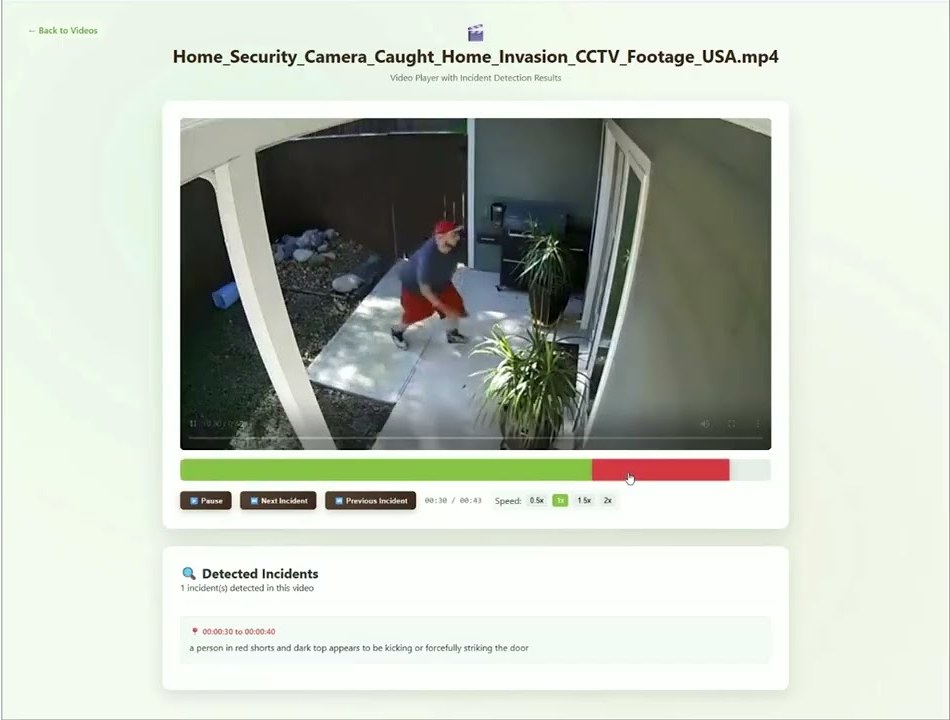
Cyrus Operations Supervisor isn't a different product for every job. The same supervisor runs on the cameras and sensors you already have — you brief it on your procedures, schedules and rules in plain words, and it makes sure the work happens the way it should. Browse by the industry you're in, or by what you need done.

By industry
By use case
By industry

Built for the sites you run.

What Cyrus is briefed to do in each industry, with the use cases that apply and the examples we can show.
By use case

What you need done.

Each use case is the same supervisor with a different briefing. Start with the one that matters most, then add the rest.

How it's configured

Configured to your operation — not custom-built for it.

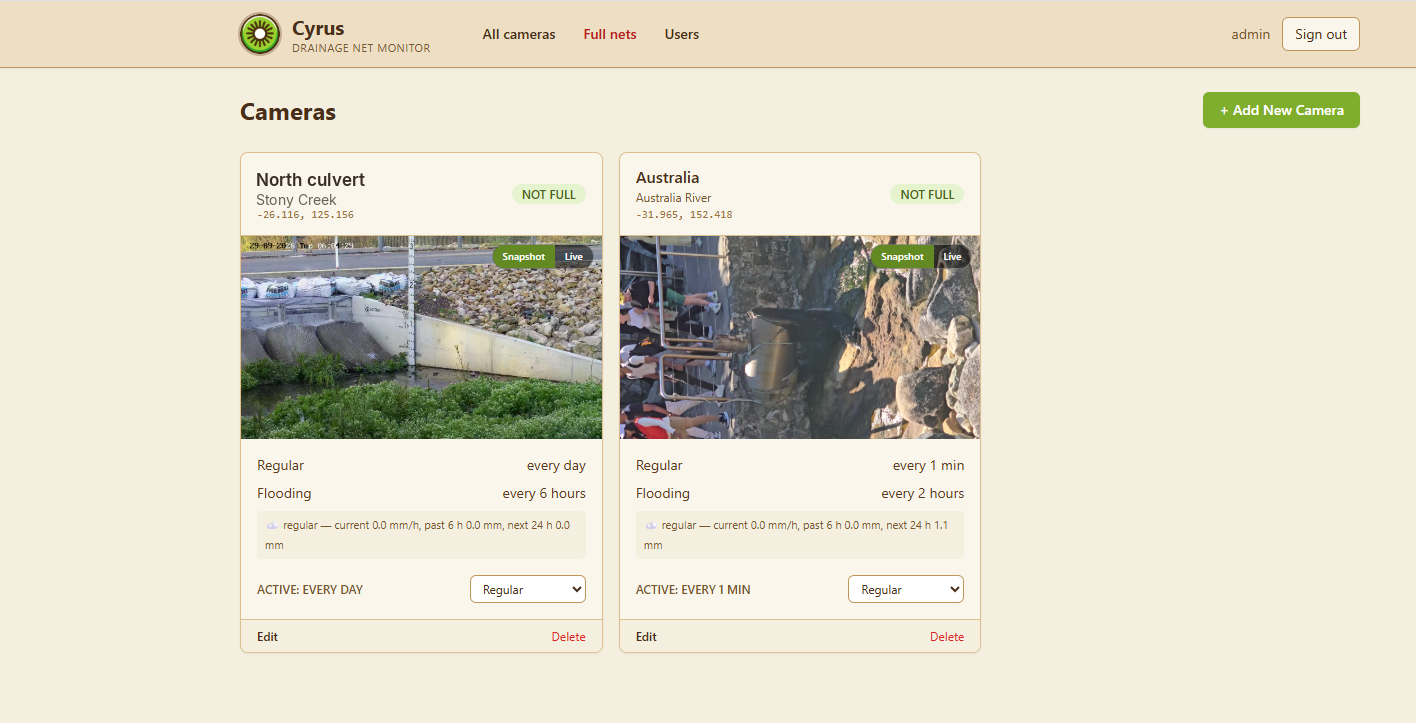
No model training, no months-long integration. Three steps take Cyrus from a camera or sensor feed to a working deployment.

1 · Connect the cameras and sensors you have

Cyrus runs on your existing cameras and sensors — on an edge device at the site, in the cloud, or both.

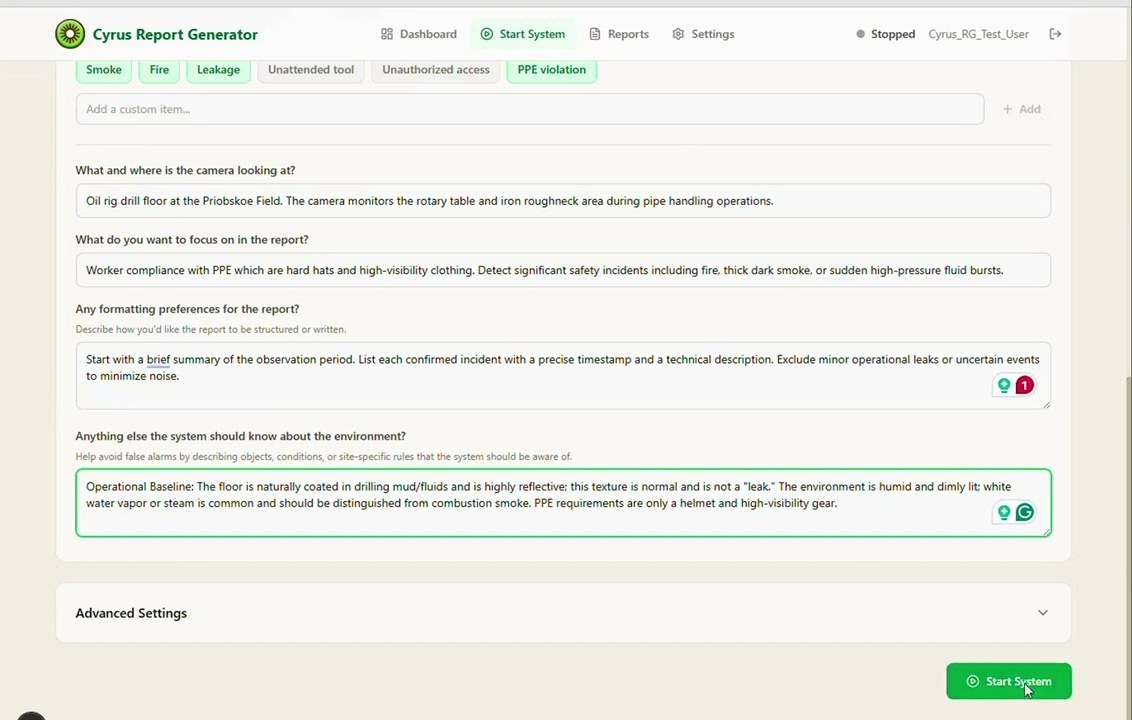
2 · Say what matters, in plain language

Describe what to watch for the way you'd tell a colleague — no per-event model training, no vendor project.

3 · Choose what happens

Continuous watching or scheduled checks; alerts to a phone or email, a report, or a work order in your existing tools.

How you grow with Cyrus

Land on a few assets. Expand to the enterprise.

Start where the value is highest, prove ROI fast, then standardize Cyrus as your monitoring layer across every site you operate.

1 · Land

Deploy on a few high-value assets at one site. A proof-of-value pilot proves ROI in weeks, not quarters.

2 · Expand

Roll out across the full site, then additional sites and asset classes — adding capability modules as you go.

3 · Standardize

Cyrus becomes your standard monitoring layer across regions and business units.

Which feed should we start with?

Tell us about your highest-value asset or busiest site, and we'll scope a pilot around it.